
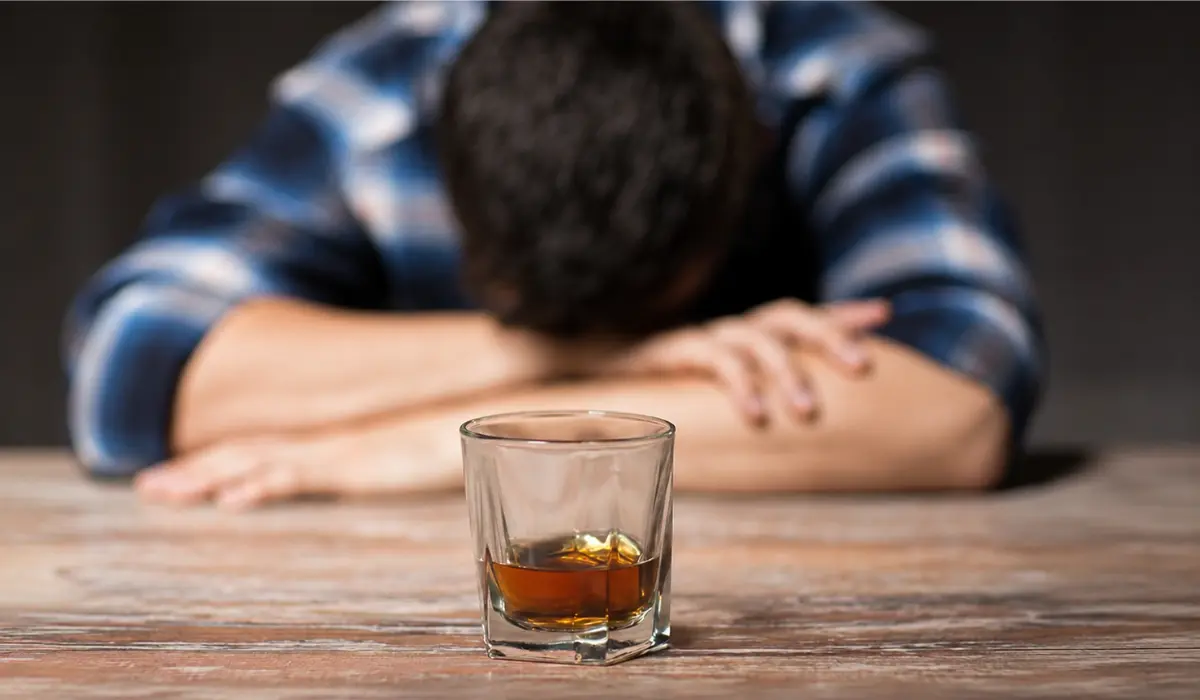
Yes, alcohol can trigger migraines in some people. An attack may begin while drinking, within a few hours, or the following morning. However, alcohol is not a consistent trigger for everyone, and the same person may tolerate it on one occasion but develop a migraine after drinking another time.
Alcohol may lower the brain’s migraine threshold, especially when combined with dehydration, poor sleep, stress, skipped meals or hormonal changes. Red wine is commonly blamed, but beer, spirits, white wine and cocktails can also trigger symptoms. Research remains mixed, which means personal symptom patterns matter more than avoiding one specific drink.
How Alcohol Can Trigger A Migraine?
Migraine is a neurological condition, not simply a severe headache. An attack can cause throbbing head pain, nausea, vomiting and sensitivity to light, sound or smells. Some people also experience visual disturbances, tingling, dizziness or difficulty concentrating.
Researchers do not fully understand why drinking triggers an attack in some people. Several effects of alcohol may work together.
- Alcohol Affects Blood Vessels And Brain Signalling
Alcohol influences the nervous system and changes activity within blood vessels. These effects may activate pain pathways in people who already have a sensitive migraine nervous system.
Older explanations often blamed migraine entirely on widened blood vessels. Current understanding is more complex and involves nerve signalling, inflammation and chemicals that help transmit pain.
- Drinking Can Contribute to Dehydration
Alcohol increases urine production, particularly when a person drinks a large amount without consuming enough water. Vomiting or sweating can increase fluid loss further.
Dehydration is a frequently reported migraine trigger. It can also intensify thirst, fatigue, dizziness and a delayed alcohol-related headache. However, dehydration is not the only explanation because some people develop migraines after a small amount of alcohol.
- Alcohol Can Disrupt Sleep
Alcohol may make you feel sleepy at first, but it can reduce sleep quality later in the night. You may wake frequently, sleep lightly or feel unrefreshed the next morning.
Poor or irregular sleep can lower the migraine threshold. A late night involving alcohol, bright lights, loud music and limited sleep may therefore create several triggers at once.
- Drinking May Lead to Skipped Meals
People sometimes drink without eating enough beforehand or forget to eat while socialising. This can lead to hunger, weakness and changes in blood sugar.
Skipped meals are a recognised migraine trigger for many people. The combination of alcohol, dehydration and an empty stomach can make an attack more likely than alcohol alone.
- Some Drinks Contain Additional Triggering Compounds
Alcoholic drinks contain substances produced during fermentation and ageing. These may include histamine, congeners and other naturally occurring compounds.
Red wine is often reported as a trigger, but studies have not proved that it consistently causes more attacks than every other alcoholic beverage. Beer, white wine, champagne and spirits can also be personal triggers.
Sulfites are frequently blamed for wine-related headaches, but they do not explain every reaction. A person may instead react to alcohol itself, another compound in the drink or several triggers occurring together.
How Quickly Can Alcohol Trigger A Migraine?
An alcohol-related headache can begin at different times.
Immediate Alcohol-Related Headache
An immediate alcohol-induced headache develops within three hours of drinking. It may feel pulsating, affect both sides of the head and become worse with normal physical activity.
People with migraine may develop symptoms after less alcohol than someone without a migraine disorder.
Delayed Alcohol-Related Headache
A delayed headache typically develops about 5 to 12 hours after drinking. This is often called a hangover headache, although the symptoms can closely resemble migraine.
A delayed attack may include:
- Throbbing or pulsating pain
- Nausea
- Sensitivity to light and sound
- Dizziness
- Fatigue
- Brain fog
- Increased pain during movement
Symptoms often result from several factors, including alcohol exposure, poor sleep, dehydration and changes in normal eating habits.
Migraine Or Hangover Headache?
Migraine and hangover headaches can overlap, making them difficult to separate.
A migraine is more likely when the pain resembles your usual attacks and includes symptoms such as one-sided throbbing, nausea, visual aura or strong sensitivity to light and sound.
A hangover headache often affects both sides of the head and appears with thirst, dry mouth, stomach upset, weakness and general body discomfort. However, delayed alcohol-induced headaches can have a migraine-like pattern, particularly in people who already experience migraine attacks.
The timing and amount consumed can provide useful clues, but symptoms alone may not always identify the exact cause.
Why Does Alcohol Trigger Migraines Only Sometimes?
Migraine attacks commonly involve a combination of triggers rather than one isolated cause.
You may drink alcohol without developing symptoms when you are rested, hydrated and eating normally. The same amount may trigger a migraine when combined with:
- Emotional stress
- Poor sleep
- Hot weather
- Dehydration
- Skipped meals
- Menstrual hormone changes
- Bright or flashing lights
- Strong smells
- Travel or changes in routine
This combination is sometimes described as trigger stacking. Alcohol may be the final factor that pushes the nervous system past its migraine threshold.
Is Red Wine The Worst Alcohol For Migraines?
Red wine is one of the most frequently reported alcoholic migraine triggers. However, it does not trigger every person with migraine, and research has not confirmed that wine always increases migraine risk.
Some people react more strongly to beer, champagne, white wine, dark spirits or sugary cocktails. Others experience symptoms after any alcoholic drink.
The most useful approach is to identify your own pattern rather than assuming that one beverage is universally safer.
How To Identify Your Alcohol Triggers?
Keep a migraine diary for several weeks or months. Record:
- The drink type
- The amount consumed
- When you began drinking
- When symptoms started
- What you ate
- Water intake
- Sleep duration
- Stress levels
- Menstrual cycle timing
- Other possible triggers
A single migraine after drinking does not always prove that alcohol caused it. A repeated pattern provides stronger evidence.
Avoid deliberately testing a suspected trigger when your previous reactions have been severe.
HHow to Reduce the Risk of an Attack
The most reliable way to prevent an alcohol-triggered migraine is to avoid alcohol. This is especially important when even a small amount repeatedly causes headaches, nausea or unusual heart symptoms.
When someone chooses to drink, these steps may reduce additional triggers:
- Eat a balanced meal beforehand.
- Drink slowly.
- Alternate alcoholic beverages with water.
- Avoid drinking after poor sleep.
- Stop when early migraine symptoms begin.
- Avoid drinks that have triggered previous attacks.
- Do not combine several different types of alcohol.
- Maintain your normal sleep schedule.
Seek medical advice if drinking repeatedly causes migraines, palpitations, chest discomfort or other heart symptoms. These measures cannot guarantee that a migraine will not occur.
What To Do When A Migraine Starts After Drinking?
Stop drinking alcohol as soon as symptoms begin. Move to a quiet, dark room and sip water slowly. Resting early may prevent symptoms from becoming more intense.
Use your usual migraine medicine according to your doctor’s instructions. Alcohol can interact with prescription and over-the-counter medicines, so check with a doctor or pharmacist before combining them.
Frequent painkiller use can also contribute to medication-overuse headaches. Speak with a healthcare professional when you regularly need medication after drinking.
When To Seek Medical Help?
Arrange a medical appointment when headaches:
- Frequently occur after drinking
- Become more severe or frequent
- Interfere with work or daily activities
- Feel different from your usual migraines
- Do not improve with your normal treatment
- Begin for the first time later in life
Seek emergency care for a sudden, extremely severe headache or one accompanied by weakness, facial drooping, speech problems, confusion, fainting, seizures, fever, stiff neck, persistent vomiting or vision loss. These symptoms can indicate a medical emergency rather than a typical migraine.
Final Verdict
Alcohol can trigger migraines, but individual reactions vary considerably. An attack may result from alcohol itself, dehydration, disturbed sleep, skipped meals or several triggers occurring together.
Red wine is commonly reported as a trigger, but no alcoholic beverage is guaranteed to be migraine-friendly. Tracking your symptoms and avoiding drinks that repeatedly cause attacks can help you identify your personal limits.
This article provides general health information and does not replace professional medical advice, diagnosis or treatment.
Frequently Asked Questions
1. Can one alcoholic drink trigger a migraine?
Yes. Some people are highly sensitive and develop a migraine after one drink. Others experience attacks only after larger amounts or when alcohol combines with additional triggers.
2. How long after drinking can a migraine start?
An immediate alcohol-related headache can develop within three hours. A delayed headache commonly begins 5 to 12 hours later, often during the night or next morning.
3. Which alcohol is most likely to trigger migraines?
Red wine is commonly reported, but beer, champagne, spirits and white wine can also trigger migraines. The most problematic drink varies considerably between individuals.
4. Does drinking water prevent alcohol-triggered migraines?
Water can reduce dehydration, but it cannot guarantee prevention. Alcohol itself, sleep disruption, skipped meals and other drink ingredients can still contribute to an attack.
5. Should people with migraines completely avoid alcohol?
Complete avoidance is sensible when alcohol repeatedly causes attacks or severe symptoms. Others may tolerate small amounts, but personal patterns should guide the decision.
References
1. NHS
Migraine
https://www.nhs.uk/conditions/migraine/
2. PubMed
Alcohol as a Trigger of Migraine Attacks in People With Episodic Migraine
https://pubmed.ncbi.nlm.nih.gov/36437596/

