
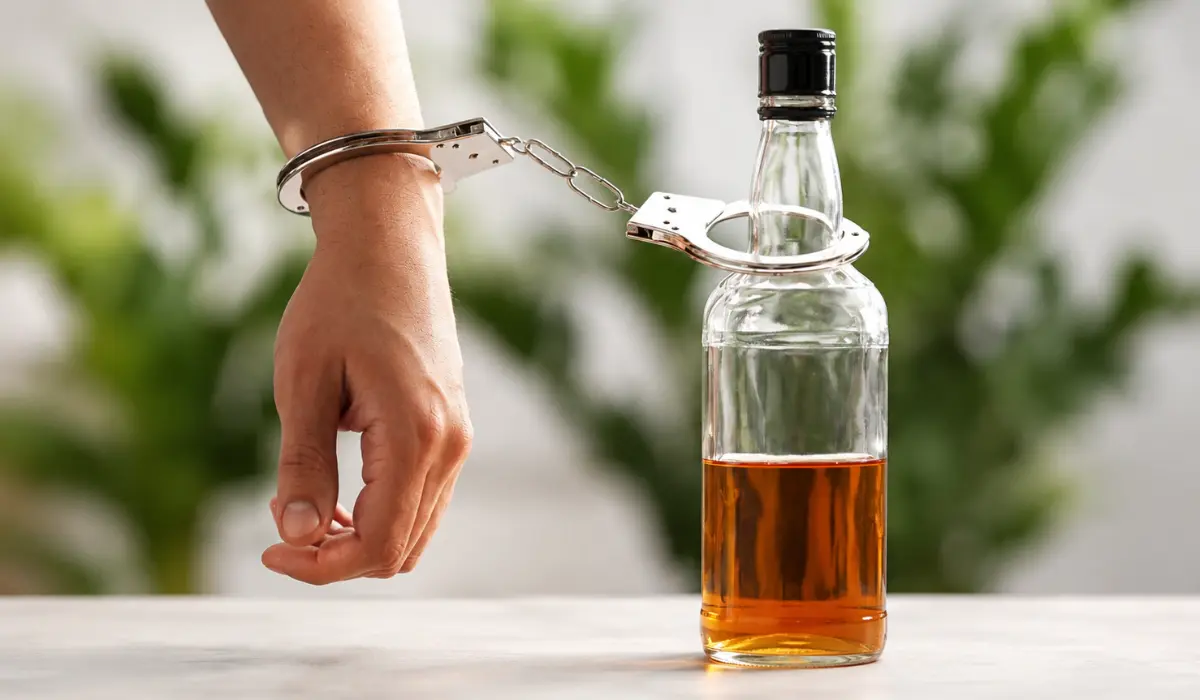
Alcohol and drugs are topics that are not seen with the same gravity of seriousness. You can buy alcohol from a liquor shop close to your home without the need for a special license. But when you plan on buying drugs, you might invite legal risks and social criticisms into your life.
If you think about the alcoholic vs addict differences, initially you might wonder which one is more serious than the other. But the surprising truth is that both are variants of the same condition. Both alter brain chemistry and pose risks to physical and mental health.
Yet, they respond to the same treatment procedures. Read ahead to dive into detail on alcoholic vs addict, the differences, signs and symptoms, how it affects the brain, recovery, and also about the stigma around it.
What is the Difference Between an Alcoholic and an Addict?
It can be difficult to see the difference between an alcoholic and an addict. Some signs of whether a person is an alcoholic or an addict include changed eating or sleeping habits, losing interest in activities, acting less concerned about hygiene and attire, getting into trouble socially and legally, drinking or using drugs when alone, and keeping secrets from friends and family.
To understand the difference better, let’s look at alcohol addiction vs. drug addiction and relevant examples of substances.
Alcohol Addiction vs. Drug Addiction
| Alcohol Addiction | Drug Addiction |
| Alcohol Addiction is when one cannot stop drinking alcohol even though they are aware of its harmful effects. This leads to the consumption of more alcohol as the person continues to experience cravings, withdrawal, and tolerance. | Drug Addiction can be associated with substances, prescribed medications, and illegal narcotics. These substances can change the way your body and the brain process information. Not all drugs have the same effect. |
| Examples of substances: Beer, Whiskey, Vodka, Gin, Wine, Brandy, etc. | Examples of substances: Marijuana, Cocaine, MDMA, etc. |
Alcohol Use Disorder vs. Substance Use Disorder
As alcohol is available everywhere and more easily accessible than drugs, there can be confusion, such as: is alcoholism a type of addiction or Substance Use Disorder? Yes, Alcoholism is a type of Substance Use Disorder.
A person can have more than one Substance Use Disorder (SUD) at the same time, like Alcohol Use Disorder and cocaine. SUD, or Substance Use Disorder, is a serious mental health condition where a person experiences a pattern of substance use (like alcohol, drugs, etc) that affects their personal life and health negatively.
There is physical dependence, which is caused by long-term usage of drugs or alcohol. You showcase withdrawal symptoms when the drug is discontinued. In the absence of physical dependence, if you feel an intense need to consume alcohol or a drug, it is called psychological dependence.
Signs And Symptoms Of Alcoholism
Based on the signs and symptoms of alcohol use disorder experienced, the condition can be mild, moderate, or even severe. Even a mild AUD can evolve into serious complications. So, early treatment is very important. The signs and symptoms of alcoholism include:
- Unable to keep limits in drinking or drinking regularly even when you’re aware it’s affecting your relationships and work life.
- Deciding to cut down the amount of drinks but unsuccessful in doing so.
- You tend to fail in objectives at work, college, and home due to alcohol usage.
- You use alcohol while driving and doing dangerous activities.
- You experience withdrawal symptoms like sweating, shaking, and nausea when you don’t drink.
- Drinking becomes a priority over work and personal matters.
- You feel guilty and ashamed of drinking.
- You depend on alcohol during difficult times and bad moods.
- You drink in secret and spend a lot of time thinking about drinking.
If you believe you have more than two of the above symptoms and your personal life is affected by alcohol, talk to a friend or seek help from a medical professional as soon as possible. If you delay help, recovery can be more difficult. Remember, asking for help is strength, not weakness.
Signs And Symptoms Of Drug Addiction
The risk of drug addiction varies by the drugs you consume. Some drugs are very addictive, like opioid painkillers, and pose a higher health risk. But where does drug addiction start? It begins out of curiosity with experimental use of a drug with friends. Then it becomes a habit.
As time passes, you become more tolerant to low doses, and you will need higher doses of the drug to get high. Let’s look at the signs and symptoms of drug addiction.
- You feel the need to use the drug regularly.
- You always think of doing drugs and have intense urges.
- You are motivated to take larger doses of the drug.
- You spend more on drugs, and also start borrowing money when you can’t afford it.
- You do risky activities when you’re under the influence of the drug.
- You try to stop using drugs, but you continuously fail to do so.
- You lose interest in school, college, or work.
- You experience a lack of motivation and weight loss
- You become less careless about your hygiene and attire.
- You ask for money without a reasonable explanation.
People struggling with addiction showcase hesitation to seek treatment. You must seek immediate help if you know someone has overdosed or has seizures alongside a possibility of a heart attack. If you believe you have an addiction to drugs, reach out to your friend or a medical professional as soon as possible.
How Addiction Affects The Brain?
Alcohol addiction causes impulsiveness, impaired cognitive function, and impaired decision-making. It affects the brain areas that control speech, balance, memory, and judgement. It causes negative incidents in real life. Long-term drinking can affect brain health and even cause death. These are some of the risk factors of addiction.
Your brain registers pleasure in the same way, whether it’s a win at a jackpot, a tasty meal, or a drug. All drugs, from cocaine to MDMA, create a high surge of dopamine in the brain. You can take the drug through different methods and doses to increase the dopamine signal, which increases the risk of addiction.
Addiction develops when the dopamine channels (pleasure circuits) in the brain get overloaded with dopamine due to drugs. Your brain marks this surge and associates it with the addictive substance you consume. With continuous consumption, your brain becomes more adapted to the substance, pushing you to consume higher doses. This habit tends to become addictive, forming an addiction.
| Did You Know? Dopamine is a neurotransmitter made in your brain. It is known as a “feel-good” or “pleasure” hormone. |
Recovery From Alcohol And Drug Addiction
Treatment for alcohol and drug addiction can vary depending on your addiction levels and substance used. Recovery from drug addiction and alcohol addiction can involve a brief intervention, group counseling, or even a residential inpatient stay.
The first step usually involves detoxification. It’s all about removing toxic substances from your body and effectively managing the withdrawal symptoms. Medication and behavioural counselling help to improve health and repair your personal life. Also, attending in-person support groups after treatment helps to avoid relapse and keep your recovery on track.
Reducing Stigma Around Addiction Terminology
Drug addiction and alcohol addiction often carry a certain social stigma. People who are addicted to substances like cocaine, alcohol, marijuana, or MDMA tend to be looked down on by the community. But when it comes to reality, certain drugs carry illegal risks.
Addiction is a medical condition and does not sum up your life as a failure. So, do not beat yourself up. There are countless treatment options for alcoholism and drug addiction in 2026.
The medical community has evolved, with communities gaining insights into the medical conditions. Seek help from your friends and reach out to a medical professional today if you need help.
Conclusion
Addiction can look different in an alcoholic vs addict comparison and also depends on the person. It can develop for different reasons under difficult circumstances. What you need to know about alcohol addiction and substance addiction is that you can recover completely with medical support and willpower.
If you’re wondering when to seek professional help, the earlier the support, the better. Never wait until you encounter a medically serious situation to get help. So, reach out to family and a medical professional today to make the first step in becoming free from addiction.
FAQs
To overcome alcohol addiction, see if you can lower or stop drinking. If you can’t, reach out to your friends and family or seek medical help. Stopping drinking altogether can cause withdrawal symptoms that can become dangerous if not medically supervised.
The first stage of addiction is the not-so-serious experimentation and drug use that happens at social events or around close friends.
The first stage of quitting drinking is often the hardest, as the cravings can be hard to deal with.
There is not a single cause of addiction, as it’s very complex to give a general answer. Difficult life situations, bad friendships, and loneliness can be reasons among many.
References
1. National Institute on Drug Abuse (NIDA)
Drug Misuse and Addiction
https://nida.nih.gov/research-topics/addiction-science
2. Centers for Disease Control and Prevention (CDC)
Alcohol and Public Health
https://www.cdc.gov/alcohol/about-alcohol-use/index.html

