
If a person is addicted to alcohol, pills, or illegal drugs and substances, then the first step on the journey to full recovery is detox. Also known as detoxification, it is the process of clearing the substance(s) from the body. It is the estimated period required for alcohol or drugs to be broken down and cleared from the body. When the bloodstream is free of the substance, the individual can then start addiction treatment.
Medical detox is just the first stage in the journey toward managing and overcoming addiction. The substances may clear from an individual’s system within a few days or weeks. Still, the withdrawal symptoms can be experienced for longer (several months) depending upon the person and how severely addicted they are.
What is Medical Detox?
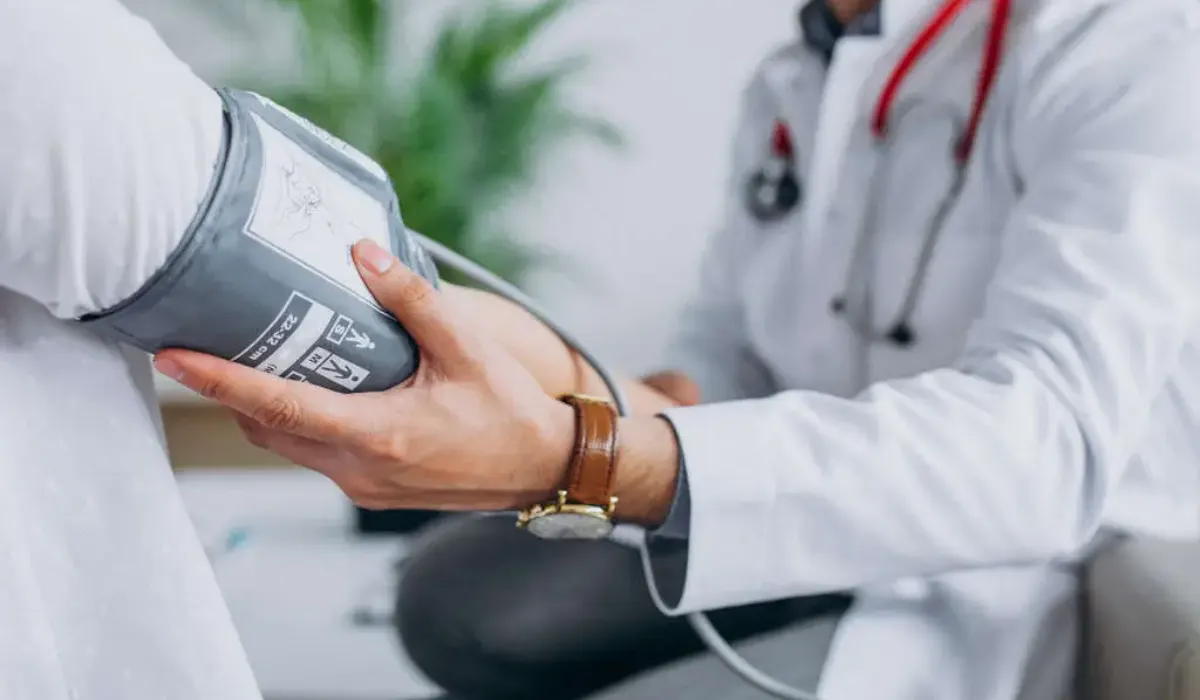
Medically supervised detoxification is when healthcare professionals are assigned to manage any withdrawal symptoms an individual may encounter. This kind of detox is usually done in a controlled environment (a medical facility or de-addiction center) where medical personnel can monitor and medicate the individual as needed to keep them relaxed and safe.
Usually, detox programs have a duration of 3 to 9 days, but this can increase depending on the severity of the individual’s addiction. These programs can be paired with addiction treatments, as individuals can enrol for treatment as soon as the detox is complete.
Why is Medical Detox Important?
Alcohol and drug addictions are both classified as a disorder related to mental health. They have both physical and psychological effects on an individual. Because of this, it is advised not to start detoxifying on your own without the guidance or supervision of medical professionals. There are several ways you can begin a medical detox.
Types of Detox Programs
- Home Detox
Many people detox at home due to a lack of insurance or because they can pay for treatments. This means having to do the detox alone, with no professional supervision and even the use of medications being restricted. People who choose to detox from home show higher chances of relapse, and this can also lead to overdoses.
Home detox can maybe be considered only if the individual is healthy in all other aspects and has only been using alcohol or drugs for a while. Nevertheless, a doctor should be consulted, and it is also wise to assign family or friends of the individual to supervise the detox process.
- Hospital Detox
People do not usually go to the emergency room (ER) to detox. But in case of serious withdrawal symptoms such as difficulty breathing, rapid heart rate, or seizures, the ER can be the only option.
In recent years, as drug abuse cases have skyrocketed, many hospitals have expanded their addiction services. Always check if your healthcare center offers addiction treatment. In case of non-medical emergency cases, always approach a local alcohol/substance abuse treatment center. Consult a doctor to see if a hospital detox is needed and available.
- Outpatient Detox
People who do not require much supervision during detox may simply check in with their regular doctor or a home health agency periodically. Some may get check-ins from nurses or attend a daytime program at a hospital or treatment center and go home at night.
The plus point of this type of program is that individuals can stay at their own homes but also receive professional help. These programs are also less expensive than inpatient ones.
Also known as ambulatory care, it may involve medication-assisted withdrawal to make the process easier. The major drawback of this program is that they don’t provide 24/7 help and supervision.
- Inpatient Detox
Inpatient detox includes complete medical supervision with doctors and nurses present at all hours. Some programs offer peer support alongside medical care.
These programs are the most expensive of the options, with sometimes some provisions offered for those people who can not afford these services.
Intensive inpatient medical rehabs have the highest level of care and supervision. These programs keep an individual medically stable and safe while they are slowly tapered off alcohol or dangerous drugs. Afterwards, individuals may be transferred to residential facilities with less monitoring or a total outpatient program if their health seems stable.
What are Some Common Withdrawal Symptoms?
The common withdrawal symptoms that an individual may experience depend on the person and what kind of substance that they have been misusing and its severity. Some of the common issues that are seen in individuals detoxing from drugs or alcohol include:
| Physical Symptoms | Psychological Symptoms |
| Nausea and vomitingPoor sleep or insomniaBody discomfortCongestionFatigueMuscle painShakiness and sweatingHigh blood pressure | Anxiety or nervousnessMood swingsDifficulty concentratingIrritabilityDepressionCravingsHallucinations |
The Stages of the Detoxification Process
The alcohol detox process has three stages: evaluation, stabilization, and addiction treatment.
The withdrawal symptoms usually are experienced within six hours after an individual’s last drink.
- Heavy drinkers may experience seizures
- Hallucinations: 12-24 hours into detox
- Headache or stomach issues: 1-2 days into detox
- Delirium tremens: 48-72 hours in serious addiction cases
- 72 hours is peak severity for a person with Alcohol Use Disorder (AUD)
People with milder addiction see their symptoms subsiding in a few days. For less severe addictions, symptoms generally begin to subside after 4–5 days, although some moderate symptoms may continue for up to a month.
Drug addiction detox depends on the drug that has been misused.
- In the case of some painkillers and heroin, symptoms occur within 8-24 hours, with peak after 4-10 days.
- For methadone and other similar opioids, withdrawal symptoms typically begin 2- 4 days after detox starts and generally improve within about 10 days.
- For benzodiazepine drugs, like Xanax, Valium, and Ativan, symptoms occur within 1-4 days and peak in about 2 weeks.
Without medical attention, withdrawal symptoms may continue occurring for months or even years.
Conclusion
Anyone plagued by a drug problem or alcohol abuse can find help through a detox program. But the detox program is only the beginning step of an individual’s recovery from addiction. The work started by medical detox can only be completed through addiction treatment and help to achieve long-term sobriety. This is why seeking proper treatment after detoxing is very important.
Frequently Asked Questions
Medical detox is a detox process that helps individuals safely withdraw from drugs, alcohol, or other addictive substances, with healthcare professionals monitoring symptoms, providing medical support, and managing withdrawal complications to guarantee safety and comfort.
Usually, detox programs last from 3-9 days, but depending on the substance abused, the severity of the addiction, and the person’s overall health.
Medical detox can come with some uncomfortable withdrawal symptoms, but healthcare workers will aid a person’s comfort through medications and supportive care.
Medical detox is mostly recommended at a medical facility as it is much safer and offers 24/7 care and supervision from healthcare professionals.
After detox, most individuals are asked to undergo addiction treatment, inpatient, outpatient, counseling, or support groups. Detox is only the first step to sobriety.

