
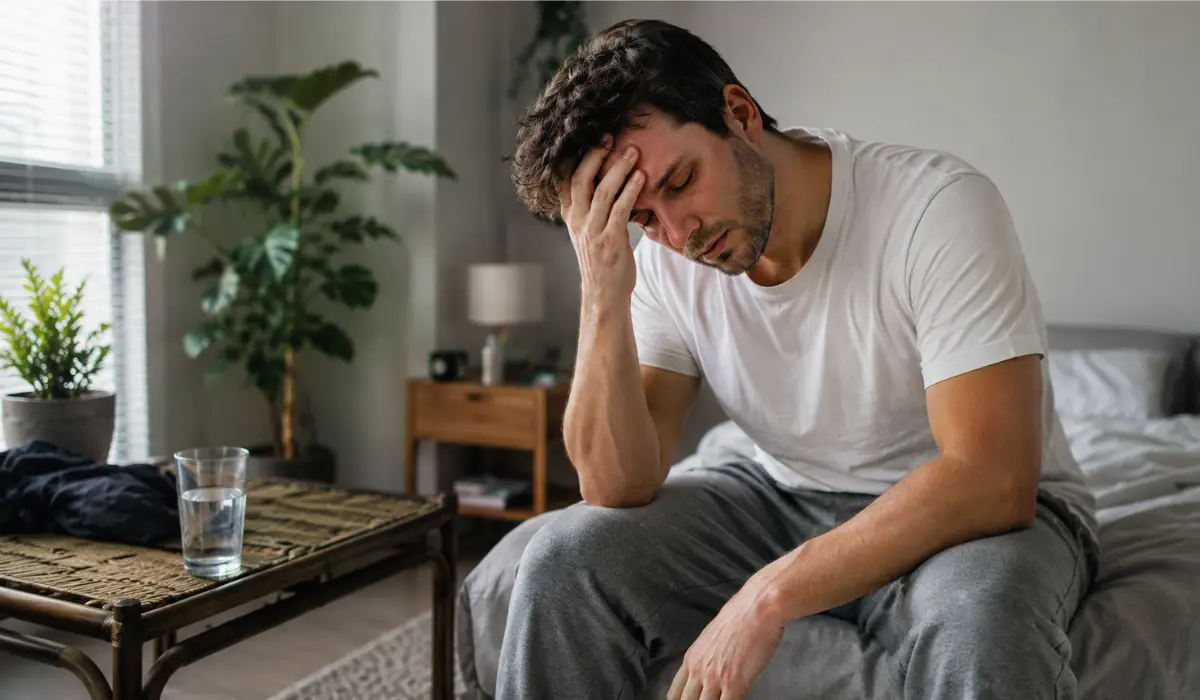
Post alcohol fatigue usually lasts around 24 hours for many people, especially after mild to moderate drinking. However, it can last longer if you drank heavily, slept poorly, became dehydrated, ate very little, or already felt tired before drinking. Hangover symptoms can peak when blood alcohol levels return close to zero and may last 24 hours or longer.
For some people, tiredness after alcohol may continue for 2 to 3 days. This does not always mean something serious is wrong, but it is a sign that the body needs rest, fluids, nutrition, and time to recover. If fatigue happens often after drinking, it may also be a signal to review alcohol habits.
Why Does Alcohol Cause Fatigue?
Alcohol can make you feel sleepy at first, but it often reduces sleep quality. Many people wake up during the night, sleep lightly, or wake earlier than usual after drinking. This poor sleep can leave the body feeling drained the next day.
Alcohol may also contribute to mild dehydration, stomach irritation, inflammation, and changes in blood sugar. These effects can lead to tiredness, weakness, headache, low mood, brain fog, and a heavy feeling in the body.
How Long Does Post Alcohol Fatigue Last After Light Drinking?
After light drinking, fatigue may last only a few hours the next morning. If you had enough water, ate properly, and slept well, you may feel normal again by afternoon or evening.
Still, even a small amount of alcohol can affect sleep in sensitive people. Some may feel tired the next day after just one or two drinks, especially if they drank late at night.
How Long Does Fatigue Last After Heavy Drinking?
After heavy drinking, post alcohol fatigue can last 24 to 72 hours. The body needs more time to process alcohol, restore hydration, settle the stomach, and return sleep and energy levels to normal.
Fatigue may feel worse if drinking was combined with late-night activity, poor food intake, vomiting, or lack of sleep. In this case, tiredness is not only from alcohol but also from overall physical stress.
Can Post Alcohol Fatigue Last Several Days?
Yes, fatigue can last several days after heavy or repeated alcohol use. This may happen when the body is recovering from disrupted sleep, dehydration, nutrient loss, inflammation, and poor routine.
If tiredness lasts longer than a few days, or if it comes with shakiness, anxiety, sweating, nausea, fast heartbeat, or trouble sleeping, it may be more than a regular hangover. Alcohol withdrawal symptoms can begin within 6 to 12 hours after the last drink and usually last 3 to 7 days, though some symptoms may last longer in heavy drinkers.
Difference Between Hangover Fatigue And Alcohol Withdrawal
Hangover fatigue usually happens after drinking too much and improves with time, sleep, fluids, and food. It is often linked with headache, thirst, nausea, light sensitivity, and low energy.
Alcohol withdrawal is different. It may happen when someone who drinks heavily or regularly suddenly stops or reduces alcohol. Symptoms may include anxiety, sweating, shaking, worst insomnia, fast heartbeat, confusion, hallucinations, or seizures. Withdrawal can become serious and may need medical care.
What Can Help You Recover Faster?
The most important recovery step is time. There is no instant cure for post alcohol fatigue, but supportive care may help the body feel better.
Drink water slowly throughout the day. Eat simple, balanced meals with carbohydrates, protein, and healthy fats. Rest as much as possible and avoid hard exercise until energy returns. Light movement, such as a short walk, may help if you feel stable.
Avoid drinking more alcohol to “fix” the fatigue. This may only delay recovery. Be careful with pain relievers, especially acetaminophen, because combining it with alcohol can be harmful to the liver. Some anti-inflammatory pain relievers may also irritate the stomach after drinking.
When Should You Be Concerned?
You should seek medical help if fatigue is severe, lasts more than a few days, or comes with chest pain, confusion, repeated vomiting, fainting, yellowing of the skin or eyes, severe dehydration, or trouble breathing.
Get urgent help if someone has severe shaking, seizures, hallucinations, extreme confusion, or becomes difficult to wake. These symptoms may suggest serious alcohol withdrawal or alcohol poisoning and should not be ignored.
How To Prevent Post Alcohol Fatigue?
The best way to prevent post alcohol fatigue is to reduce alcohol intake or avoid drinking. If you choose to drink, have food before drinking, sip slowly, drink water between alcoholic drinks, and avoid drinking close to bedtime.
It also helps to know your personal limit. Some people feel tired even after small amounts of alcohol. If fatigue happens every time you drink, your body may not tolerate alcohol well.
Final Verdict
Post alcohol fatigue usually lasts about 24 hours, but it can last 2 to 3 days after heavy drinking. In people who drink heavily or regularly, tiredness may last longer and may be related to withdrawal or deeper sleep disruption.
If fatigue is mild and improves with rest, fluids, and food, it is usually part of normal recovery. If symptoms are severe, frequent, or long-lasting, it is safer to speak with a healthcare professional.
FAQ
Tiredness after alcohol usually lasts around 24 hours. After heavy drinking, fatigue may continue for 2 to 3 days depending on sleep, hydration, and overall health.
You may feel weak for days due to poor sleep, dehydration, low food intake, stomach irritation, inflammation, or repeated alcohol use. Heavy drinking can extend recovery time.
It can happen after heavy drinking, but it should gradually improve. If fatigue lasts longer or comes with withdrawal symptoms, medical advice is recommended.
Yes. Alcohol may help you fall asleep faster, but it can disturb sleep quality, cause early waking, and leave you feeling tired the next day.
It may be a warning sign if fatigue is severe, frequent, lasts many days, or comes with shaking, confusion, vomiting, chest pain, yellow skin, or seizures.
References
National Institute on Alcohol Abuse and Alcoholism
Hangovers
https://www.niaaa.nih.gov/publications/brochures-and-fact-sheets/hangovers
Mayo Clinic
Hangovers: Symptoms and Causes
https://www.mayoclinic.org/diseases-conditions/hangovers/symptoms-causes/syc-20373012
NHS
Alcohol-Use Disorder
https://www.nhs.uk/conditions/alcohol-use-disorder/

