
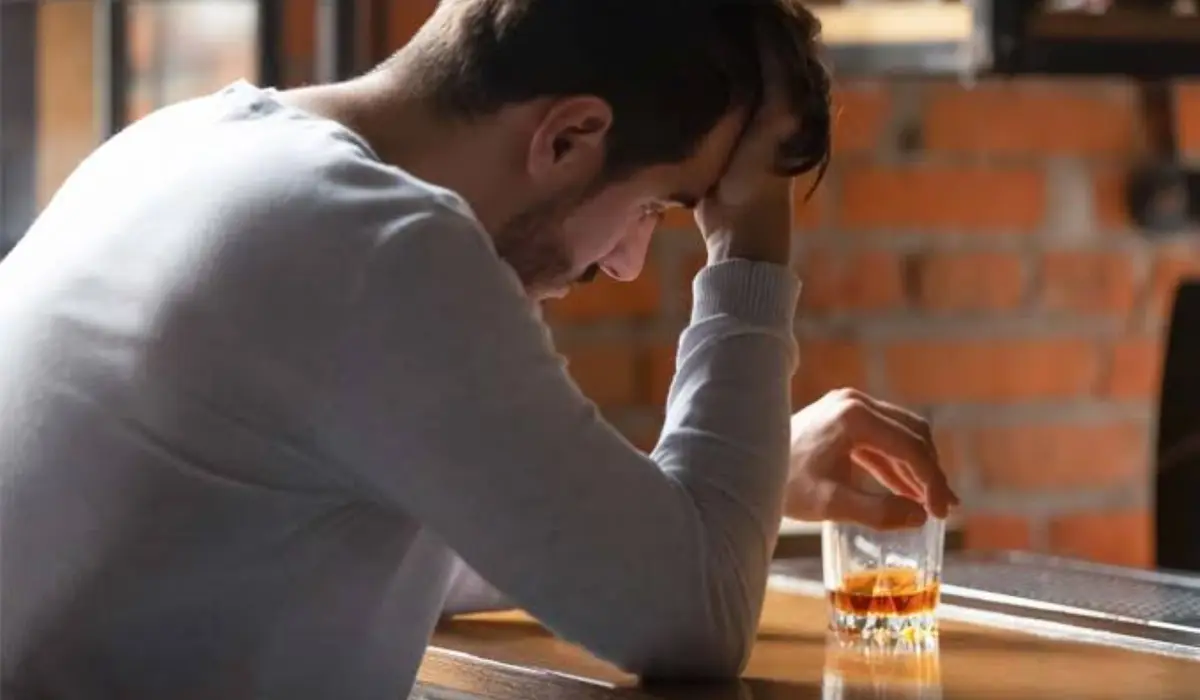
Alcohol can contribute to night sweats in some people. It may affect body temperature, blood vessels, sleep quality, hydration, and the nervous system. Some people notice sweating after one drink, while others experience it after heavier drinking or when alcohol starts wearing off overnight.
Night sweats are not always caused by alcohol. A warm room, heavy blankets, infections, menopause, anxiety, medications, and other health conditions can also trigger sweating during sleep. Mayo Clinic lists alcohol use disorder among possible causes of night sweats.
Why Alcohol May Cause Sweating at Night?
Alcohol can affect the body in several ways. It may make the skin feel warm or flushed, disturb sleep, increase urination, and trigger changes in heart rate or stress hormones.
For some people, this combination can lead to waking up sweaty, restless, thirsty, or overheated. Alcohol may also worsen existing night sweats in people who already have hot flashes, anxiety, sleep apnea, or medication-related sweating.
Alcohol Can Disrupt Sleep
Drinking may make you feel sleepy at first, but it often reduces sleep quality later in the night. As sleep becomes lighter and more broken, you may wake up sweaty, restless, thirsty, or overheated. Research from NIAAA notes that people with alcohol problems commonly have trouble falling asleep, reduced total sleep time, and disturbed sleep during drinking periods and withdrawal.
When sleep becomes lighter and more broken, the body may wake more often. These awakenings can make sweating more noticeable, especially if your room is warm or your body is working to process alcohol.
Dehydration Can Make Symptoms Worse
Alcohol can increase urination because it affects hormones that help the body hold onto fluid. Alcohol suppresses vasopressin, which can lead to extra fluid loss and mild dehydration.
Dehydration may not directly cause every case of night sweating, but it can make you feel worse. You may wake up thirsty, dizzy, tired, or with a headache. Sweating can also increase fluid loss, making hydration even more important.
Alcohol Intolerance and Flushing
Some people have alcohol intolerance. This means the body has trouble breaking down alcohol properly. Even a small amount can cause flushing, warmth, nausea, fast heartbeat, or stuffy nose.
This warm, flushed feeling may be mistaken for a hot flash or night sweat, especially if it happens near bedtime.
Withdrawal Can Cause Sweating
Night sweats can also happen when a person who drinks heavily stops or cuts down suddenly. Alcohol withdrawal can cause sweating, clammy skin, tremors, insomnia, nausea, fast heart rate, and anxiety.
This is important because alcohol withdrawal can be dangerous. People who drink heavily or daily should not suddenly stop without medical advice. Severe withdrawal can lead to confusion, seizures, or delirium tremens.
Other Reasons You May Sweat After Drinking
Alcohol may not be the only reason. Night sweats can come from several causes, including:
- A hot bedroom
- Heavy blankets or warm pajamas
- Fever or infection
- Anxiety or panic symptoms
- Menopause or hormonal changes
- Sleep apnea
- Certain medications
- Thyroid problems
- Low blood sugar
- Alcohol withdrawal
- Alcohol use disorder
Night sweats can be related to hormone changes, medications, infections, viruses, or other health conditions.
How to Reduce Alcohol-Related Night Sweats?
If night sweats happen after drinking, start by noticing your pattern. Track what you drank, how much, what time, your sleep quality, room temperature, and any other symptoms.
Helpful steps may include drinking less alcohol, avoiding alcohol close to bedtime, drinking water, keeping the bedroom cool, wearing light sleepwear, and avoiding heavy meals late at night.
Do not use alcohol as a sleep aid. Even if it makes you sleepy at first, it can lead to poor sleep later.
Alcohol Allergy or Intolerance
Some people may sweat at night after drinking because of alcohol allergy or alcohol intolerance. A true alcohol allergy is uncommon, but reactions to ingredients such as grains, sulfites, yeast, or preservatives can happen. Symptoms may include flushing, itching, rash, stuffy nose, nausea, fast heartbeat, warmth, or sweating. If these symptoms happen repeatedly after drinking, it is safer to avoid alcohol and speak with a healthcare professional.
When to Seek Medical Help?
Talk with a healthcare provider if night sweats are frequent, severe, unexplained, or soaking your clothes or bedding. You should also seek care if sweating comes with fever, weight loss, chest pain, shortness of breath, swollen lymph nodes, ongoing cough, severe fatigue, or unexplained pain.
Get urgent medical help if sweating occurs with confusion, fainting, seizures, severe weakness, severe vomiting, chest pain, or signs of alcohol withdrawal after cutting down. These symptoms should not be ignored.
Final Thoughts
Alcohol can cause night sweats in some people, especially when it disrupts sleep, causes flushing, contributes to dehydration, or triggers withdrawal symptoms. Occasional sweating after drinking may improve with less alcohol, better hydration, and a cooler sleep environment.
Frequent or severe night sweats need more attention. If symptoms continue, happen without alcohol, or come with warning signs, a healthcare provider can help find the real cause.
FAQs
Yes, it can happen in sensitive people. Alcohol may trigger flushing, warmth, sleep disruption, or intolerance symptoms, even after a small amount.
Alcohol can affect body temperature, sleep quality, hydration, blood vessels, and the nervous system. These changes may make sweating more noticeable overnight.
Yes, sweating can be a withdrawal symptom, especially in heavy or daily drinkers who suddenly stop or reduce alcohol intake.
Reduce alcohol, avoid drinking near bedtime, hydrate well, keep your bedroom cool, wear light sleepwear, and track symptoms after drinking.
Night sweats need medical care if they are frequent, soaking, unexplained, or happen with fever, weight loss, chest pain, cough, or weakness.
Yes, alcohol may worsen hot flashes and sleep problems in some people during menopause, making night sweats feel stronger or more frequent.
Reference
- MedlinePlus – Alcohol Withdrawal
https://medlineplus.gov/ency/article/000764.htm - NIAAA – Hangovers
https://www.niaaa.nih.gov/publications/brochures-and-fact-sheets/hangovers

