
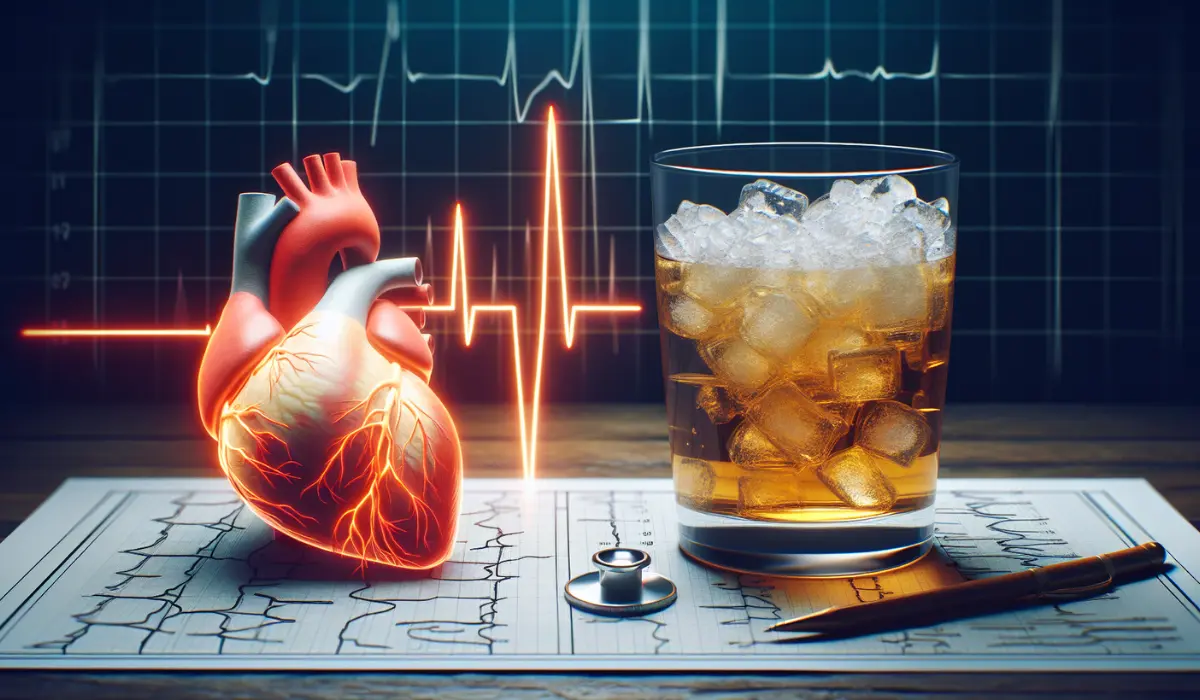
Do you feel that your heart rate starts to rise when you drink alcohol? Yes, it’s true, drinking alcohol can increase your heart rate. Even a single alcoholic beverage can temporarily amplify the rate of your pulse and can cause heart palpitations.
This is because drinking alcohol will stimulate your sympathetic nervous system, causing your heart to beat faster. This can further lead to a condition called tachycardia, where the heart rate in the resting state crosses over 100 beats per minute.
When you drink alcohol, it is not just one organ that is affected, but your whole body will be facing the impact and will be struggling to restore balance. And your heart also has to pay its own share of the price. In this article, let’s take a deep dive into the consequences of alcohol abuse on the heart, how it increases the heart rate, and the remedies to prevent it.
What are the Risks of Alcohol to the Heart?
While alcohol gives you an initial stage of contentment and mirth, it also damages your psychomotor performance, disturbs cardiovascular function, disrupts your sleeping cycle, and spoils your mood and behaviour the next day.
There is no minimum level that is completely safe to drink for alcohol, since the impact of it varies from person to person. Within a few hours of drinking, your heart rate might start to rise and can persist throughout the night, affecting the quality of your sleep.
Frequent, heavy drinking can invite many heart and circulatory conditions, such as weakening of your heart muscle, and lead to chronic conditions like high blood pressure or irregular heartbeats (arrhythmia), such as atrial fibrillation, and heart palpitations. It can also increase the risk of a heart attack or stroke.
High Blood Pressure: Every standard drink consumed per day can increase your risk of hypertension by around 6%.
Atrial Fibrillation (AFib): Continuous alcohol consumption and binge drinking trigger erratic heart rhythms. This can lead to acute heart rhythm disturbances called Holiday Heart Syndrome, leading to an increased risk of stroke.
Heart Failure & Cardiomyopathy: Due to long-term alcohol abuse, the heart muscles weaken and get thinner, leading to a condition known as Alcoholic Cardiomyopathy. This impairs the heart’s ability to pump blood and causes heart failure.
Ischemic Disease: Chronic alcohol consumption can cause weight gain and increase cholesterol levels, which can harden the arteries. This will increase the risk of heart attacks.
How to Cut Down on Alcohol?
Drinking becomes a part of your life, often through your social gatherings, celebrations, friend circles, etc. This is why it is difficult for most people to quit drinking. But you can try to take control of your drinking pattern to build a mindful drinking habit and avoid overconsumption that leads to heavy consequences.
Here are a few steps that you can take to control your drinking habits.
- Make a plan before you start drinking.
- Fix a limit on quantity and on the money you are going to spend on drinking.
- Avoid drinking rounds and buy your own drinks so that you do not feel pressured to drink more.
- Eat first and drink water in between to keep your body hydrated.
- Switch to soft drinks in social gatherings as much as you can, and overcome the pressure of peer drinking.
- Make your drinks smaller by ordering in small glasses and bottles rather than pints and larger drinks.
- Try drinks that have less alcohol content and slowly reduce your alcohol intake.
Conclusion
Drinking alcohol might seem rewarding for a small period. However, large-scale health organizations like the World Heart Federation point out that even a small amount of alcohol is harmful to the cardiovascular system. It can increase blood pressure, raise heart rate, and even lead to more severe conditions.
When the modern lifestyle is already taking a toll on the strength of your heart, it is better to control your drinking habits for a healthy heart. Stop spoiling your long-term health by relying on temporary relief. Prioritise your cardiac health.
FAQ
Usually, when the heart rate goes up while drinking, it will stay up for 1 to 24 hours, depending on the number of drinks one has consumed. But in the case of heavy alcohol abuse or binge drinking, it might take several days due to dehydration.
It is best to consult your doctor if your resting heart rate is either below 35-40 beats per minute or above 100 beats per minute.
The symptoms of alcohol-related heart diseases can be very similar to congestive heart failure and arrhythmias. They include shortness of breath, swelling in the feet and legs, persistent fatigue, fainting spells, and an irregular or rapid heartbeat.
This rule is a strategy for mindful drinking, where a 20-minute gap is suggested between finishing one drink and starting another one. This allows the body to absorb the alcohol’s impact and prevent several consequences of overdrinking.
Reference Links:
https://www.niaaa.nih.gov/alcohols-effects-health/alcohols-effects-body

