
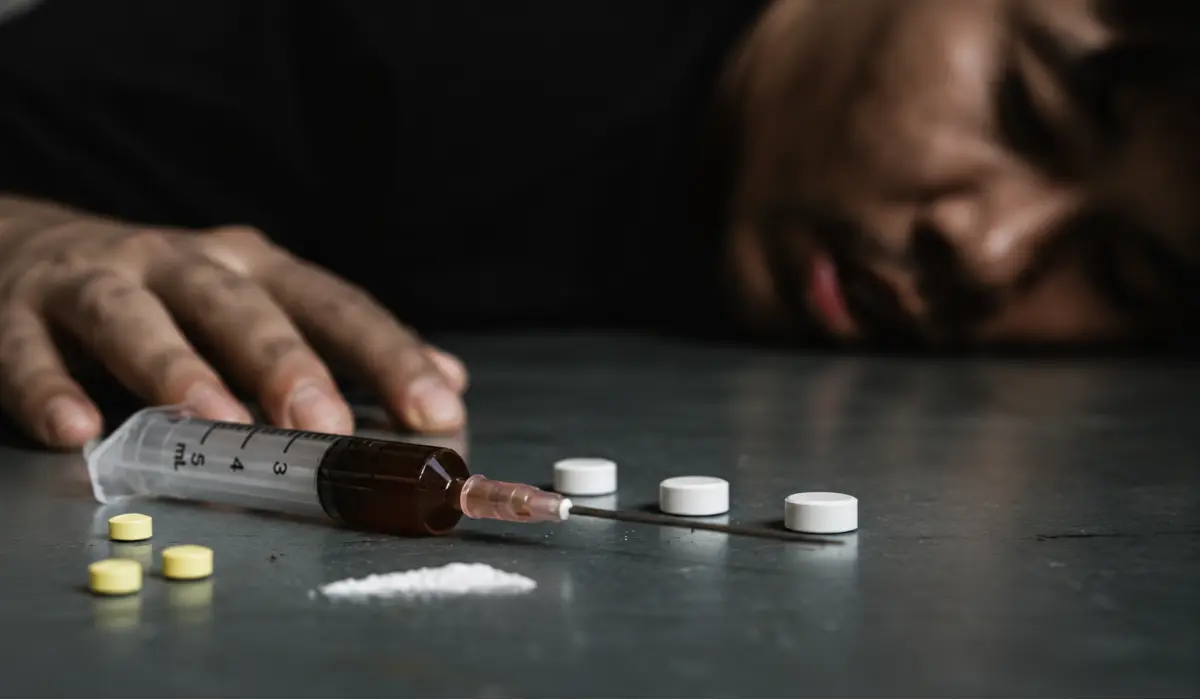
As we all know, Opioids can help manage pain, but it also leads to addiction for some users. A proper understanding of the warning signs, even before it becomes more serious, can make it easier to seek help.
What are the signs of opioid addiction?
In most individuals, opioid addiction develops gradually over time, and the signs may not always be easy to confirm in the beginning. Common signs include strong cravings, taking more opioids than prescribed, mood changes, and losing interest in daily activities.
It is also noted that some people also hide their opioid use, and they continue using opioids by ignoring their harmful effects, while others have trouble meeting responsibilities. By recognizing these warning signs early, it is easier to seek medical support and begin the treatment and other support options as soon as possible.
Physical signs and symptoms of opioid addiction
Physical signs include feeling frequently drowsy, slowed breathing, dilated pupils, constipation, nausea, and poor coordination. Some also experience weight changes, poor personal hygiene, or opioid withdrawal symptoms when they stop taking opioids.
Behavioral signs of opioid addiction
opioid addiction can also impact a person’s personal, social, and professional life. Such changes are evident in a person’s daily habits and decision-making.
A person who takes opioids more often or in larger amounts than prescribed tends to be more secretive about their use, misses school or work, neglects family responsibilities, or loses interest in hobbies they once enjoyed.
Psychological signs of opioid addiction
Psychological signs of opioid addiction is where a person’s thoughts, emotions, and overall mental wellbeing gets affected. Common signs of this condition include stronger cravings for opioids, feeling anxiety, mood swings, irritability, trouble concentrating, and restlessness when opioids are unavailable. Some people may also try to withdraw from others or continue to use it even after larger consequences.
How is opioid addiction diagnosed?
Opioid addiction diagnosis is usually done by cross-examining a lot of factors, including a person’s past medical records, opioid use, and changes in their daily life.
A healthcare professional will also perform a physical examination and use standard diagnostic guidelines to verify if opioid use has become a substance use disorder. Diagnosing the symptom early can help people receive appropriate treatment, which helps reduce health risks and improve their chances of recovery.
Treatment options for opioid addiction
Medications
Medications such as buprenorphine, methadone, and naltrexone are some of the commonly prescribed opioid addiction treatments. These medications help to reduce cravings, control withdrawal symptoms, and promote long-term recovery.
Counselling And Support
To help people with opioid addiction develop healthier habits and to manage triggers, options like Behavioral therapies, support groups, and family support are available. Also, regular medical follow-ups help individuals manage the risk of relapse during recovery.
Can opioid addiction be prevented?
Opioid addictions cannot always be prevented. But there are several steps that can reduce the risk of dependence.
Follow the prescription guidelines properly
Make sure that you use the opioid only as prescribed and recommended by your healthcare professional. Do not increase the dosage without medical supervision.
Stay in touch with your healthcare provider
Attend follow-up appointments, discuss side effects and concerns, and ask about other pain management options when appropriate.
Avoid overdosing
Several opioid reversal agents are available to help reduce overdose effects and restore normal breathing during emergencies. Naloxone and nalmefene are two of them that reverse the effect of opioids and help improve breathing. They are available as nasal sprays, injections, and pre-filled auto-injection devices.
Conclusion
Even though Opioid addiction is a serious health problem, help is available for people who need it. To get the right treatment and professional support as early as possible, it is important to identify the signs sooner.
Right treatment and care at the right time helps manage opioid addiction and you can live a healthy life. Make sure you do not overdose yourself and that you follow the professional guidance as given to avoid other complications and to improve overall well being.
Frequently Asked Questions
Opioid addiction can have physical symptoms, including nausea, headache, dizziness, constipation, dilated pupils, and so on.
Yes, long-term opioid use is not at all recommended for healthy brain functioning, as it can alter the physical structure of your brain. It also brings chemical changes in the brain.
Someone with an opioid addiction may exhibit several behavioural and psychological symptoms, such as being secretive about their use, feeling less motivated and productive, continued use even after so much loss and issues with the usage, and an uncontrolled urge to use opioids.
Long-term opioid usage can affect your body in several ways. It causes serious complications like kidney and liver damage, endocrine disruption, and affects the healthy functioning of immune cells.
References
Centers for Disease Control and Prevention (CDC)
Signs of Opioid Misuse, Opioid Use Disorder, and Overdose
https://www.cdc.gov/overdose-resources/pdf/Signs-of-Opioid-Misuse-Opioid-Use-Order-and-Overdose_508.pdf
National Institute on Drug Abuse (NIDA)
Medications for Opioid Use Disorder
https://nida.nih.gov/research-topics/medications-opioid-use-disorder
Mayo Clinic
How to Tell if a Loved One Is Misusing Opioids
https://www.mayoclinic.org/diseases-conditions/prescription-drug-abuse/in-depth/how-to-tell-if-a-loved-one-is-abusing-opioids/art-20386038

