
Blood pressure after quitting alcohol can change in a positive way for many people, especially those who drank heavily or regularly. Alcohol can affect the heart, blood vessels, nervous system, sleep, weight, and stress hormones. When alcohol is removed, the body slowly begins to rebalance.
However, blood pressure does not improve the same way for everyone. Some people may notice lower readings within days or weeks, while others may need more time, especially if they also have obesity, high salt intake, smoking, stress, or a family history of hypertension.
How Alcohol Affects Blood Pressure?
Alcohol can raise blood pressure by making the heart work harder and affecting how blood vessels tighten or relax. It may also increase stress hormones, disturb sleep, and contribute to weight gain, all of which can push blood pressure higher.
Regular heavy drinking may keep blood pressure elevated over time. Binge drinking can also cause temporary spikes, even in people who do not usually have high blood pressure. These repeated increases may place extra strain on the heart and arteries.
What Happens To Blood Pressure After Quitting Alcohol?
After quitting alcohol, blood pressure may begin to improve as the body adjusts. For some people, systolic pressure, the top number, may drop first. Diastolic pressure, the bottom number, may also improve as blood vessels become less strained.
The change is often more noticeable in people who previously drank heavily. If alcohol was a major reason for high blood pressure, quitting may lead to a clear improvement. If other health factors are involved, blood pressure may still need diet changes, exercise, medication, or medical monitoring.
How Soon Can Blood Pressure Improve?
Some people may see small changes within the first few days after stopping alcohol. In others, it may take several weeks for blood pressure to settle. The timeline depends on drinking history, overall health, hydration, sleep quality, diet, and stress levels.
During the first few days, readings may sometimes fluctuate. This can happen because the nervous system is adjusting. People who drank heavily may experience withdrawal symptoms, which can temporarily raise blood pressure and heart rate.
Why Blood Pressure May Rise At First?
Not everyone sees an immediate drop. In the early stage after quitting alcohol, some people may feel anxious, restless, sweaty, shaky, or unable to sleep. These symptoms can temporarily increase blood pressure.
This is more likely in people who were drinking daily or in large amounts. Severe withdrawal can be dangerous and may include confusion, seizures, hallucinations, or very high blood pressure. Medical support is important if withdrawal symptoms are strong or worsening.
Long-Term Benefits Of Quitting Alcohol
Over time, quitting alcohol can support better heart health. The connection between alcohol and heart health is important because heavy drinking may raise blood pressure and place extra strain on the cardiovascular system.
Blood pressure may become easier to manage, sleep may improve, and the body may handle stress more effectively. Some people also lose weight after stopping alcohol, especially if alcohol was adding extra calories.
Better sleep and improved liver function may also help overall health. When the body is no longer processing alcohol regularly, energy levels, mood, digestion, and daily routine may improve. These changes can indirectly support healthier blood pressure and long-term heart health.
What Helps Blood Pressure Improve Faster?
Quitting alcohol is a strong first step, but other habits matter too. Eating less salt, drinking enough water, staying active, improving sleep, and managing stress can all help blood pressure move in the right direction.
A heart-friendly diet can include fruits, vegetables, whole grains, lean proteins, beans, nuts, and low-fat dairy. Regular walking, light strength training, or other safe exercises can also support circulation and weight control.
Should You Monitor Blood Pressure At Home?
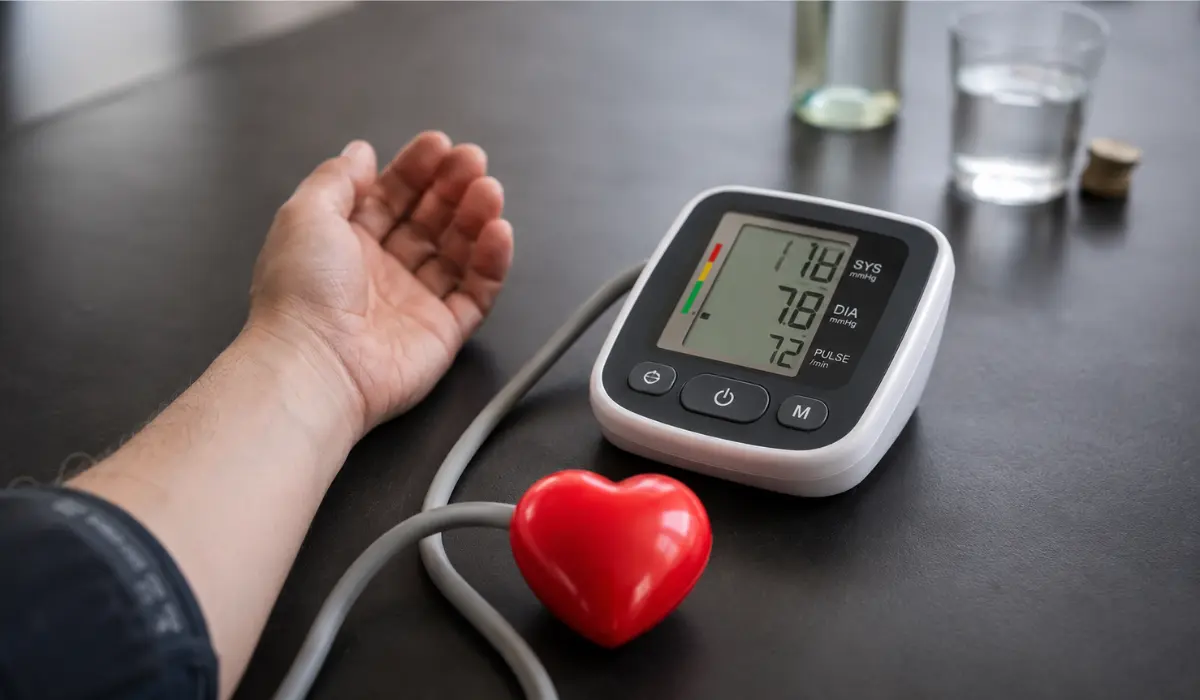
Home monitoring can be helpful after quitting alcohol. Try checking blood pressure at the same time each day, while seated and relaxed. Avoid measuring right after exercise, caffeine, smoking, stress, or a poor night’s sleep.
Keep a simple record of your readings. This can help your healthcare provider understand whether your blood pressure is improving, staying high, or changing too much. One high reading does not always mean a problem, but repeated high readings should be checked.
When To See A Doctor?
Speak with a healthcare provider if your blood pressure stays high after quitting alcohol, especially if readings are often above 130/80 mmHg or if you already have hypertension. You should also get medical advice before quitting suddenly if you drink heavily every day.
Seek urgent help if you have chest pain, severe headache, shortness of breath, confusion, weakness on one side of the body, fainting, seizures, or very high blood pressure. These symptoms should not be ignored.
Can Quitting Alcohol Replace Blood Pressure Medicine?
Quitting alcohol may help lower blood pressure, but it should not replace prescribed medication unless a doctor says so. Some people still need medicine even after improving their lifestyle.
If your readings improve after quitting alcohol, your doctor may review your treatment plan. Never stop or change blood pressure medication on your own, because sudden changes can be unsafe.
Final Verdict
Blood pressure after quitting alcohol often improves, especially when alcohol was a major cause of high readings. Some people notice changes within days or weeks, while others need longer and may require additional lifestyle changes or medical care.
The safest approach is to monitor your readings, support your body with healthy habits, and speak with a healthcare provider if your blood pressure remains high or withdrawal symptoms appear.
FAQ
Blood pressure may start improving within a few days, but steady changes often take several weeks. Results depend on drinking history, lifestyle, weight, diet, and overall health.
Yes, quitting alcohol may help lower high blood pressure, especially in people who drank heavily. However, some people may still need medication or other lifestyle changes.
Blood pressure can rise temporarily during alcohol withdrawal because of anxiety, poor sleep, sweating, stress hormones, or nervous system changes. Heavy drinkers should seek medical advice.
No. Do not stop blood pressure medicine without your doctor’s guidance. If your readings improve, your healthcare provider can decide whether changes are safe.
Healthy food, lower salt intake, regular walking, good sleep, stress control, weight management, and home blood pressure tracking can support better readings after quitting alcohol.
References
1. Centers for Disease Control and Prevention
Preventing High Blood Pressure
https://www.cdc.gov/high-blood-pressure/prevention/index.html
2. American Heart Association
Limiting or Avoiding Alcohol to Manage High Blood Pressure
https://www.heart.org/en/health-topics/high-blood-pressure/changes-you-can-make-to-manage-high-blood-pressure/limiting-alcohol-to-manage-high-blood-pressure
3. Mayo Clinic
Alcohol: Does It Affect Blood Pressure?
https://www.mayoclinic.org/diseases-conditions/high-blood-pressure/expert-answers/blood-pressure/faq-20058254

