
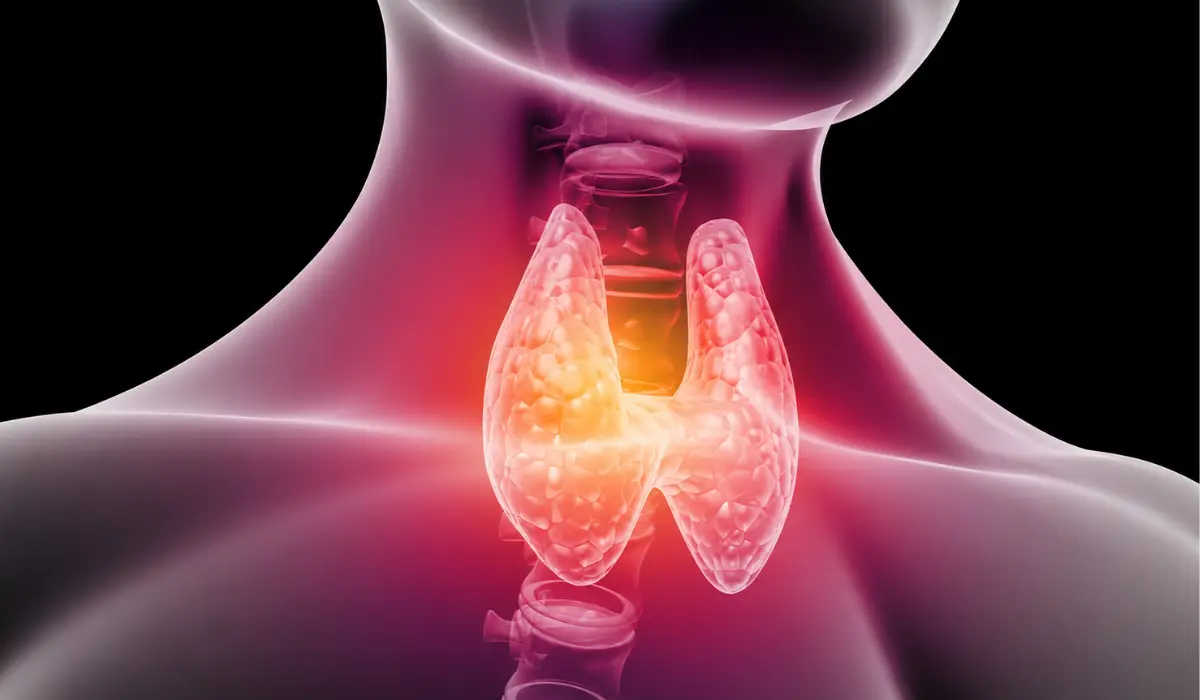
Yes, alcohol can affect thyroid function, particularly when drinking is heavy, frequent or long-term. Alcohol can interfere with the communication between the brain, pituitary gland and thyroid. It may also influence how thyroid hormones are produced, converted and removed from the body.
Occasional drinking does not automatically cause thyroid disease. However, heavy alcohol use can contribute to hormone changes and make symptoms such as fatigue, anxiety, poor sleep, weight changes and heart palpitations harder to interpret. Research on moderate alcohol consumption remains mixed, so drinking should not be considered a way to prevent or treat thyroid problems.
What Does The Thyroid Gland Do?
The thyroid is a small, butterfly-shaped gland located at the front of the neck. It produces hormones that influence:
- Metabolism
- Energy levels
- Body temperature
- Digestion
- Muscle function
- Mood
- Menstrual cycles
- Heart rate
The pituitary gland controls the thyroid by releasing thyroid-stimulating hormone, commonly called TSH. The thyroid primarily produces thyroxine, or T4, which the body converts into the more active hormone T3.
When thyroid hormone levels are too low, hypothyroidism can develop. When they are too high, hyperthyroidism can occur.
How Can Alcohol Affect Thyroid Function?
- It Can Disrupt Hormone Communication
The thyroid is part of the hypothalamic-pituitary-thyroid axis. This system involves communication between the brain, pituitary gland and thyroid.
Long-term heavy drinking can disturb this communication. Studies involving people with alcohol dependence have reported a reduced TSH response and changes in circulating thyroid hormones.
These changes do not always mean that someone has permanent thyroid disease. In some cases, they reflect the effects of alcohol use, withdrawal, poor nutrition, liver disease or general illness.
- Heavy Drinking Can Lower Thyroid Hormone Levels
Chronic alcohol use has been associated with lower levels of peripheral thyroid hormones, particularly T3. Changes can also occur during alcohol withdrawal.
Alcohol may affect the thyroid gland directly or interfere with the conversion of T4 into T3. However, the pattern varies between individuals, and not everyone who drinks heavily develops abnormal thyroid results.
The severity of the effect can depend on:
- How much alcohol is consumed
- How often the person drinks
- How long heavy drinking has continued
- Liver health
- Nutritional status
- Existing thyroid disease
- Other medical conditions
Research has not established one predictable thyroid response that occurs in everyone who drinks alcohol.
- Alcohol Can Affect the Liver’s Role in Thyroid Hormones
The liver helps process thyroid hormones and produces proteins that carry them through the blood. Heavy alcohol use can damage the liver and interfere with these processes.
People with alcohol-related liver disease can have unusual T3, T4 or thyroid-binding protein levels even when the thyroid gland itself is still functioning adequately. This is one reason thyroid test results should be interpreted alongside liver tests, symptoms and medical history.
- Alcohol May Affect the Thyroid Gland Directly
Long-term heavy alcohol exposure may have a toxic effect on thyroid tissue. Some research has found changes in thyroid size, hormone production and the gland’s response to signals from the pituitary.
However, evidence is not consistent enough to say that alcohol directly causes most cases of hypothyroidism, hyperthyroidism, thyroid nodules or autoimmune thyroid disease.
Factors such as genetics, iodine intake, medications, pregnancy, autoimmune conditions and previous thyroid treatment often have a stronger and clearer role.
Can Alcohol Cause Hypothyroidism?
Alcohol is not considered a leading cause of hypothyroidism. The most common causes include Hashimoto’s disease, thyroid surgery, radioactive iodine treatment, certain medications and problems involving the pituitary gland.
Heavy, prolonged alcohol use can sometimes produce lower thyroid hormone levels or affect thyroid test results. These changes can resemble an underactive thyroid, especially when someone also has poor nutrition or liver disease.
Possible hypothyroidism symptoms include:
- Ongoing fatigue
- Feeling unusually cold
- Weight gain
- Constipation
- Dry skin
- Hair thinning
- Muscle weakness
- Depression
- Slow heart rate
- Heavy or irregular periods
Because alcohol can also cause fatigue, depression, digestive changes and poor concentration, blood testing is necessary to determine whether the thyroid is involved.
Can Alcohol Make Hyperthyroidism Symptoms Worse?
Alcohol does not necessarily cause hyperthyroidism, but drinking can intensify symptoms that already occur with an overactive thyroid.
Alcohol can contribute to:
- A racing or pounding heartbeat
- Facial warmth and flushing
- Sweating
- Anxiety
- Shaking
- Poor sleep
- Dehydration
- Dizziness
These effects can overlap with hyperthyroidism symptoms. Someone with poorly controlled hyperthyroidism may therefore feel worse after drinking, even when alcohol has not increased thyroid hormone production.
Chest pain, fainting or a very rapid or irregular heartbeat requires urgent medical care.
Alcohol And Autoimmune Thyroid Disease
Hashimoto’s disease and Graves’ disease are autoimmune conditions in which the immune system mistakenly targets the thyroid.
Some observational studies have found associations between moderate alcohol intake and lower rates of certain thyroid disorders. However, these findings do not prove that alcohol protects the thyroid.
Alcohol affects many organs and carries significant health risks, especially at higher levels. It should not be started or increased in an attempt to prevent Hashimoto’s disease, Graves’ disease or hypothyroidism. Research findings about lifestyle factors and thyroid hormones remain inconsistent.
Can Alcohol Affect Thyroid Blood Test Results?
Heavy alcohol use, withdrawal, liver disease, poor nutrition and severe illness can influence thyroid test results.
Common thyroid blood tests include:
- TSH: Measures the pituitary signal that controls the thyroid
- Free T4: Measures available thyroxine in the blood
- T3: Helps evaluate suspected hyperthyroidism
- Thyroid antibodies: Helps identify autoimmune thyroid disease
A high or low result does not always confirm a thyroid disorder by itself. Doctors interpret the results alongside symptoms, medications, health history and other laboratory findings.
Tell your healthcare provider honestly about your alcohol intake, including recent heavy drinking or withdrawal. This information can help prevent test results from being misinterpreted.
Can You Drink Alcohol While Taking Thyroid Medication?
Levothyroxine
Alcohol is not known to directly stop levothyroxine from working. However, heavy drinking can worsen fatigue, sleep problems, anxiety and liver issues, making it difficult to judge whether thyroid treatment is controlling symptoms.
Levothyroxine should usually be taken consistently on an empty stomach, separate from foods, caffeine and supplements that can reduce absorption. Follow the timing instructions provided with your medication.
Medicines For An Overactive Thyroid
Medicines such as carbimazole, methimazole or propylthiouracil require medical monitoring. Although alcohol does not necessarily interact directly with every antithyroid medication, it can worsen dizziness and place additional stress on the liver.
Ask a doctor or pharmacist how much alcohol, if any, is appropriate with your specific medicine. Do not stop or alter thyroid treatment because you plan to drink.
How To Support Thyroid Health When Drinking Alcohol?
The most effective way to avoid alcohol-related hormone changes is to limit or avoid alcohol.
Additional steps include:
- Take thyroid medicine exactly as prescribed.
- Attend scheduled thyroid blood tests.
- Eat regular meals with adequate protein and nutrients.
- Avoid using iodine supplements unless advised by a clinician.
- Stay hydrated.
- Maintain a consistent sleep schedule.
- Tell your doctor about changes in drinking habits.
- Avoid alcohol when it repeatedly causes palpitations or anxiety.
- Seek help when controlling alcohol intake becomes difficult.
People who drink heavily every day should not suddenly stop without medical support. Alcohol withdrawal can cause seizures, hallucinations, severe blood pressure changes and abnormal heart rhythms.
When Should You Speak With A Doctor?
Arrange a medical appointment if you develop:
- Persistent fatigue
- Unexplained weight gain or loss
- Ongoing sensitivity to heat or cold
- A neck lump or swelling
- Frequent heart palpitations
- Trembling or excessive sweating
- Hair loss or dry skin
- Menstrual cycle changes
- Constipation or frequent bowel movements
- Anxiety or depression that does not improve
- Symptoms that continue after reducing alcohol
Seek urgent help for chest pain, fainting, severe confusion, breathing difficulty or a very rapid or irregular heartbeat.
Final Verdict
Alcohol can affect thyroid function, especially when drinking is heavy, prolonged or connected with liver disease, poor nutrition or withdrawal. It may alter T3, T4 and TSH patterns, but abnormal results do not always mean permanent thyroid disease.
Occasional alcohol use does not automatically damage the thyroid. Still, people with thyroid conditions should consider how drinking affects their symptoms and medications. Persistent problems require blood testing and professional medical evaluation.
Frequently Asked Questions
1. Can alcohol cause thyroid problems?
Heavy, long-term alcohol use can disturb thyroid hormone regulation and affect blood test results. However, alcohol is not considered the primary cause of most thyroid disorders.
2. Does alcohol lower TSH levels?
Alcohol can alter the pituitary gland’s TSH response, particularly with chronic heavy use or withdrawal. The effect varies and cannot diagnose thyroid disease by itself.
3. Can alcohol make hypothyroidism symptoms worse?
Yes. Alcohol can worsen fatigue, depression, poor sleep, brain fog and weight-management difficulties, which can overlap with symptoms of an underactive thyroid.
4. Can I drink alcohol while taking levothyroxine?
Alcohol does not usually block levothyroxine directly, but heavy drinking can worsen symptoms and other health conditions. Follow your clinician’s advice and take levothyroxine consistently.
5. Will thyroid function improve after stopping alcohol?
Alcohol-related hormone changes may improve after drinking is reduced or stopped, especially when liver health and nutrition recover. Persistent abnormalities require repeat testing and medical evaluation.
References
1. National Institute on Alcohol Abuse and Alcoholism (NIAAA)
Alcohol’s Effects on the Body
https://www.niaaa.nih.gov/alcohols-effects-health/alcohols-effects-body
2. National Institute of Diabetes and Digestive and Kidney Diseases (NIDDK)
Thyroid Tests
https://www.niddk.nih.gov/health-information/diagnostic-tests/thyroid
3. National Institute of Diabetes and Digestive and Kidney Diseases (NIDDK)
Hypothyroidism (Underactive Thyroid)
https://www.niddk.nih.gov/health-information/endocrine-diseases/hypothyroidism
4. NHS
Levothyroxine: Medicine for an Underactive Thyroid
https://www.nhs.uk/medicines/levothyroxine/
Recent Post

