
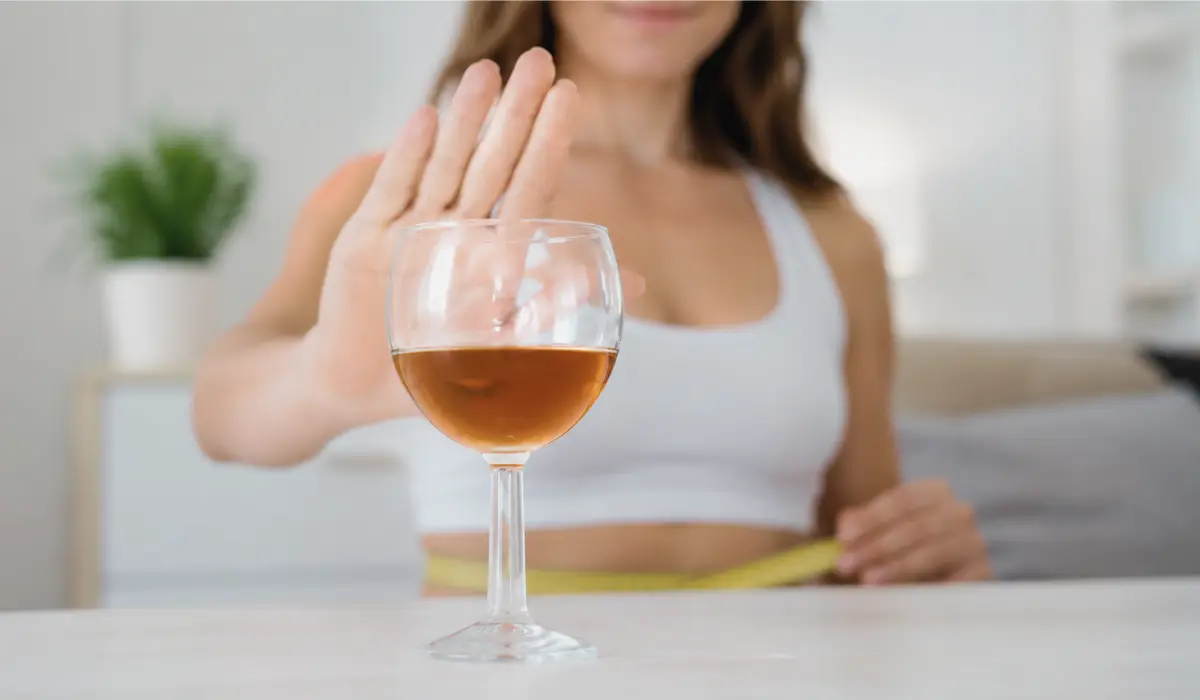
Weight loss after quitting alcohol is a common change many people notice when they stop drinking. Alcohol can add extra calories, increase cravings, slow healthy routines, and affect sleep. When you remove it from your lifestyle, your body may begin to respond in several positive ways.
However, weight loss is not always immediate. Some people lose weight quickly, while others notice slower changes. The result depends on your drinking habits, diet, activity level, sleep, stress, and overall health.
Why Quitting Alcohol Can Help With Weight Loss?
Alcohol contains calories but offers little nutritional value. These are often called “empty calories” because they can increase daily calorie intake without helping the body feel truly full.
For example, beer, wine, cocktails, and mixed drinks can add hundreds of calories in one evening. Sugary cocktails may contain even more because of syrups, soda, juice, or cream-based mixers.
When you stop drinking, you may naturally reduce your calorie intake. This can create a calorie deficit, which is one of the main reasons weight loss may happen.
Alcohol Can Increase Food Cravings
Alcohol can lower self-control and increase appetite. Many people eat more after drinking, especially salty, fried, sugary, or high-calorie foods.
Late-night snacks, fast food, chips, pizza, and desserts often become more tempting after alcohol. These extra calories can slow weight loss or lead to weight gain over time.
After quitting alcohol, many people find it easier to make better food choices. They may feel more in control of their eating habits and less likely to overeat at night.
Better Sleep May Support Weight Loss
Alcohol may make you feel sleepy at first, but it can disturb deep sleep later in the night. Poor sleep can affect hunger hormones, energy levels, and motivation.
When sleep improves after quitting alcohol, your body may manage appetite better. You may also feel more energized for exercise, meal preparation, and daily movement.
Better sleep does not cause instant weight loss, but it supports healthier habits that make weight control easier.
Reduced Bloating And Water Retention
Some people notice that their stomach looks flatter after quitting alcohol. This may happen because alcohol can cause bloating, dehydration, and digestive irritation.
Beer and sugary drinks may also make bloating worse for some people. When alcohol is removed, digestion may feel lighter, and water balance may improve.
This early change is often water weight, not fat loss. Still, it can be a motivating sign that the body is responding well.
How Long Does Weight Loss Take After Quitting Alcohol?
Weight loss after quitting alcohol can vary from person to person. Some people notice changes within the first few weeks, especially if they were drinking often or consuming high-calorie drinks.
Others may need one to three months to see clear changes on the scale. Fat loss usually takes time because it depends on long-term calorie balance and healthy habits.
If alcohol is replaced with sugary drinks, desserts, or large portions, weight loss may be slower. Quitting alcohol helps, but food quality and lifestyle still matter.
What Changes May Happen In The First Month?
First Week
During the first week, you may notice less bloating, better hydration, and improved digestion. Sleep may still feel uneven at first, especially if your body is adjusting.
Cravings for alcohol or sugar may also appear. This is common and does not mean you are failing.
Two To Four Weeks
After a few weeks, many people feel more energetic. Workouts may feel easier, and morning tiredness may reduce.
You may also notice better control over snacking and late-night eating. Clothes may begin to fit differently, even if the scale changes slowly.
After One Month
After one month without alcohol, weight loss may become more visible if healthy eating and regular movement are also in place.
Your skin, energy, mood, and digestion may also improve. These changes can make it easier to stay consistent.
Tips To Support Weight Loss After Quitting Alcohol
Choose Healthy Drink Replacements
Replace alcohol with water, sparkling water, herbal tea, lemon water, or low-sugar drinks. This helps reduce extra calories while keeping your routine enjoyable.
Avoid replacing alcohol with soda or high-sugar mocktails every day, as they can add calories quickly.
Eat Enough Protein
Protein helps you feel full and supports muscle health. Good options include eggs, Greek yogurt, fish, chicken, beans, lentils, tofu, and cottage cheese.
Adding protein to each meal may reduce cravings and make weight loss easier.
Build A Simple Exercise Routine
You do not need intense workouts to see progress. Walking, cycling, strength training, yoga, or home workouts can all help.
Start with what feels realistic. Even 20-30 minutes of daily walking can support fat loss and improve mood.
Watch Sugar Cravings
Some people crave sweets after quitting alcohol. This may happen because the body is used to getting quick energy from alcohol or sugary drinks.
Try fruit, yogurt, nuts, or dark chocolate in small amounts. Eating balanced meals can also reduce sugar cravings.
Track Progress Beyond The Scale
The scale is only one way to measure change. Also notice your waist size, energy, sleep, digestion, skin, mood, and fitness level.
Sometimes your body composition improves before the scale shows a big difference.
Why You May Not Lose Weight Right Away?
Not everyone loses weight quickly after quitting alcohol. Some people eat more because they are coping with cravings or stress. Others may replace drinking with high-calorie snacks.
Hormones, medications, age, stress, sleep problems, and medical conditions can also affect weight loss.
If you are not losing weight, review your daily calories, portion sizes, activity level, and sleep. Small changes often make a big difference over time.
When To Seek Professional Help?
Speak with a healthcare professional if you have heavy alcohol use, withdrawal symptoms, rapid unexplained weight changes, severe cravings, mood changes, or trouble stopping alcohol.
Alcohol withdrawal can be serious for some people. Symptoms like shaking, sweating, confusion, fast heartbeat, seizures, or severe anxiety need urgent medical attention.
You may also benefit from a doctor, dietitian, or counselor if weight loss feels difficult after quitting
FAQ
Yes, quitting alcohol may help reduce belly fat over time, especially if alcohol was adding extra calories and causing overeating or bloating.
The amount varies. Some people lose a few pounds in weeks, while others need months depending on diet, exercise, sleep, and drinking history.
Weight gain may happen if alcohol is replaced with sweets, snacks, or larger meals. Stress, poor sleep, and reduced activity can also contribute.
Quitting alcohol does not magically speed metabolism, but it may support better sleep, energy, food choices, and exercise consistency, which help weight control.
Some people notice a slimmer face because of reduced bloating, better hydration, and less inflammation. Fat loss may take longer to appear.
Choose protein-rich meals, vegetables, fruits, whole grains, healthy fats, and plenty of water. Limit sugary drinks, fried foods, and late-night snacks.
References
NIAAA – Rethinking Drinking
Alcohol Calorie Calculator
https://rethinkingdrinking.niaaa.nih.gov/tools/calculators/alcohol-calorie-calculator
Centers for Disease Control and Prevention
Alcohol Use and Your Health
https://www.cdc.gov/alcohol/about-alcohol-use/index.html
CDC – Drink Less, Be Your Best
Drinking Less Matters
https://www.cdc.gov/drink-less-be-your-best/drinking-less-matters/index.html
Recent Post

